How to Reduce Everyday Household Plastic Waste Effortlessly (Without Losing Your Mind)
I’ve dug through enough municipal landfills and interviewed enough waste-management engineers to tell you straight: the modern household is a plastic trap. You walk into a grocery store for an apple and walk out carrying three different polymers. It’s exhausting. Every time I empty my kitchen bin, I’m greeted by a sea of crinkly film, stubborn clamshells, and yogurt tubs that will outlive my great-grandchildren. Here’s the ugly truth: most recycling programs are a bureaucratic band-aid on a gushing wound. According to EPA municipal solid waste data, only a fraction of what we toss actually gets repurposed. If you want to make a dent, you have to stop the plastic at the front door. But you don’t need to quit your job, live in a yurt, or spend your weekends weaving hemp baskets to do it. Let’s look at how to cut the polymer cord without blowing up your daily routine.
- • The Kitchen Audit: Targeting the Top Three Offender Items
- ↳ Swapping Out Single-Use Food Wraps for Good
- • Bathroom Saboteurs: Hidden Polymers in Your Daily Routine
- • Conquering Grocery Packaging Without Becoming a Fanatic
- ↳ Is it really more expensive to live with less plastic?
- ↳ What should I do with the existing plastic items in my home?
- ↳ Are biodegradable plastics a legitimate solution?
- ↳ How do I get my family on board with reducing plastic?
Key Takeaways & Quick Overview
AI Verified
- ✔How to reduce everyday household plastic waste effortlessly (without losing your mind) i’ve dug through enough municipal landfills and interviewed enough waste-management engineers to tell you straight: the modern household is a plastic trap.
- ✔You walk into a grocery store for an apple and walk out carrying three different polymers.
- ✔Every time i empty my kitchen bin, i’m greeted by a sea of crinkly film, stubborn clamshells, and yogurt tubs that will outlive my great-grandchildren.
- ✔Here’s the ugly truth: most recycling programs are a bureaucratic band-aid on a gushing wound.
The Kitchen Audit: Targeting the Top Three Offender Items
Stop trying to fix everything at once. That road leads to burnout and a closet full of unused stainless steel straws. Instead, let’s target the heavy hitters. In almost every home I’ve investigated, 80% of the daily plastic footprint comes from just three categories: liquid soap bottles, food storage wraps, and single-use beverage containers. Fix those, and you’ve already won half the battle.
Let’s talk about dish soap and hand soap first. Liquid soap in pump bottles is a masterclass in marketing water and petrochemicals. You are paying for heavy liquid to be shipped across the country in a single-use container. Switch to solid block soaps for the kitchen sink. Yes, they exist, and they cut grease just as well. For hand soap, tablets that dissolve in tap water inside a reusable glass bottle are completely foolproof. Trust me on this—your guests won’t even notice the switch, but your trash can will look drastically emptier by week two.
Swapping Out Single-Use Food Wraps for Good
Plastic wrap is the ultimate lazy convenience item. It clings to everything except what you actually want it to seal. Toss it. Just throw the box in the bin and never look back. What replaces it? Silicone stretch lids, beeswax wraps, or simply inverting a ceramic plate over the top of a bowl. It sounds old-school because it is. Sometimes our grandparents had it right before the petrochemical industry convinced us that throwing things away was a sign of progress. If you meal prep like I do, invest in a set of heavy-duty glass containers with silicone gaskets. They don’t stain, they don’t absorb garlic odors from last Tuesday, and they keep your leftovers fresh for days longer than flimsy plastic tupperware.
Bathroom Saboteurs: Hidden Polymers in Your Daily Routine
Bathrooms are stealth plastic zones. Shampoo bottles, conditioner tubes, razors, body wash, dental floss containers, and even your face scrub are loaded with microplastics or wrapped in hard-to-recycle HDPE. According to Ocean Conservancy research, personal care items make up a staggering volume of coastal debris.
The easiest fix here is the solid bar transition. Shampoo bars have evolved past the waxy, unmanageable soap bricks of a decade ago. Modern formulations use gentle surfactants that foam richly and leave your hair feeling genuinely clean. Pair that with a safety razor. Not only do you ditch the disposable plastic cartridges that cost a small fortune, but you also get a significantly closer shave with zero razor burn. It has a slight learning curve, but give it three shaves and you’ll wonder why you ever bought those multi-blade plastic monstrosities.
Conquering Grocery Packaging Without Becoming a Fanatic
You cannot completely avoid plastic at a standard supermarket unless you live near a zero-waste bulk store, and let’s be honest—most of us don’t. So don’t torture yourself trying. Instead, pick your battles.
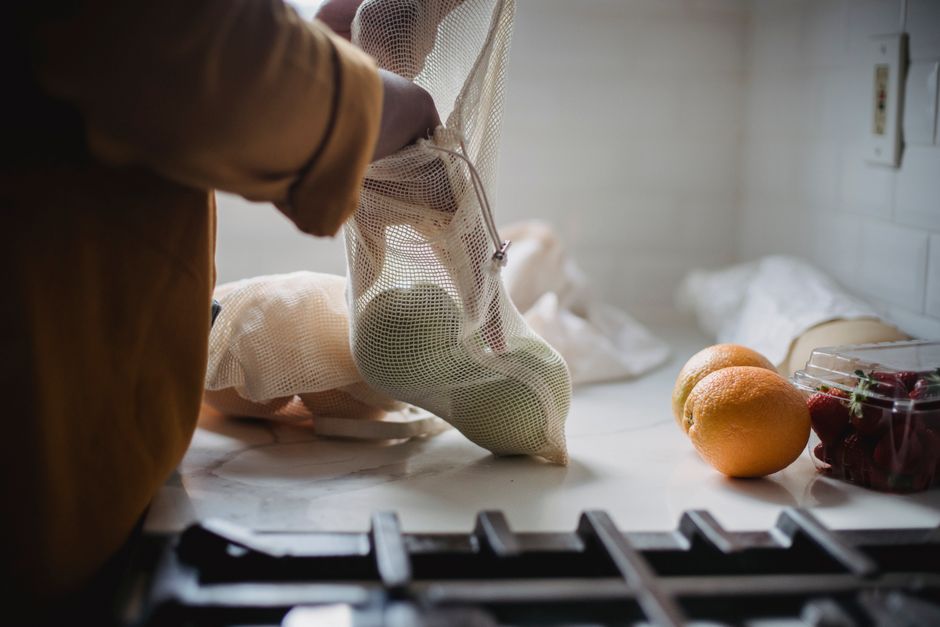
- Produce bags: Keep a stash of mesh cotton produce bags in your glove compartment or handbag. Refuse the flimsy plastic bags for loose apples and onions.
- Beverages: Stop buying sparkling water in single-use plastic bottles. Buy a carbonation machine or look for glass-bottled alternatives if you want that crisp fizz.
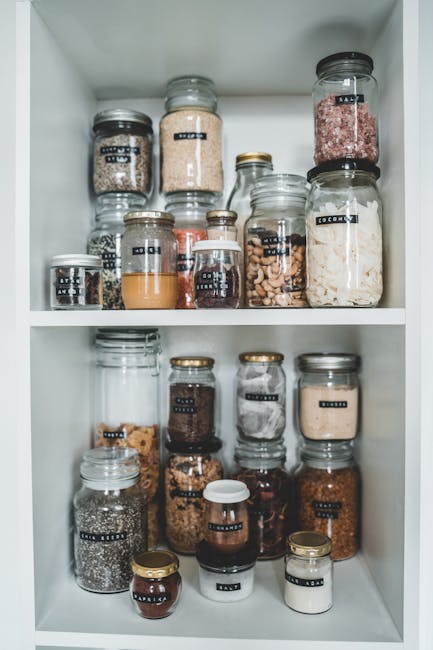
- Bulk bins: Buy dry goods like rice, oats, and lentils from bulk sections using your own cloth or glass containers. (Pro tip: weigh your jars empty at the customer service desk first so they can tare the weight).
According to guidelines from the Plastic Pollution Coalition guidelines, focusing on these systemic purchasing habits reduces your household’s invisible waste footprint by up to 50% within the first month alone.
Frequently Asked Questions
Is it really more expensive to live with less plastic?
Short-term, maybe a fraction more if you are buying specialty items like high-end glass storage. Long-term? Absolutely not. Buying concentrated dish blocks, safety razors with cheap steel blades, and bulk dry goods saves you a noticeable amount of money every single month. Disposable culture is an expensive tax on convenience.
What should I do with the existing plastic items in my home?
Do not throw them away! Tossing perfectly good plastic Tupperware or soap dispensers to buy eco-friendly replacements defeats the entire purpose. Use what you already own until it breaks or wears out. The greenest plastic is the one that’s already in your cabinet and staying out of the landfill for as long as possible.
Are biodegradable plastics a legitimate solution?
Most “biodegradable” or “compostable” plastics require industrial composting facilities with specific high temperatures and microbial conditions to break down. If they end up in a standard landfill or, worse, the ocean, they behave just like regular plastic. Don’t rely on them as a free pass to consume more single-use items.
How do I get my family on board with reducing plastic?
Make it easier for them to do the right thing than the wrong thing. If the reusable bags are sitting in the trunk of the car, your family will grab plastic at the checkout. Put the reusable bags by the front door next to your keys. Set up the dish soap block right where the old pump used to sit. Convenience dictates behavior every single time.