How I Saved $200 This Month Using Simple Home Energy Hacks Guide
My jaw hit the linoleum floor. Two hundred and fourteen dollars. For one month. In a house that’s barely larger than a postage stamp. I stared at the utility portal like it was written in ancient Aramaic, waiting for some hidden fee to explain why my living room was suddenly costing me the price of a small car payment. Here’s the ugly truth: I was bleeding cash, and my appliances were the silent assassins. I’ve spent the last ten years covering consumer trends, but nothing humbles you quite like a brutal power bill. I didn’t call an expensive auditor. I didn’t remortgage the roof for solar panels. I just got systematic, got slightly obsessive, and started tracking every kilowatt. The result? A cool $200 back in my pocket this month. Let me show you the exact blueprint.

- • The Phantom Load Conspiracy: Unplugging the Energy Vampires
- • The Thermal Battleground: Taming the Thermostat Without Freezing
- • The Laundry Room Audit: Cold Water and Air-Drying Realities
- • Lighting and Appliance Tweaks That Actually Move the Needle
- ↳ How long does it take to see savings on the utility bill after making these changes?
- ↳ Are smart power strips expensive to buy?
- ↳ Does washing clothes in cold water actually clean stains?
- ↳ What is the single most effective energy hack for a quick win?
Key Takeaways & Quick Overview
AI Verified
- ✔How i saved $200 this month using simple home energy hacks guide my jaw hit the linoleum floor.
- ✔In a house that’s barely larger than a postage stamp.
- ✔I stared at the utility portal like it was written in ancient aramaic, waiting for some hidden fee to explain why my living room was suddenly costing me the price of a small car payment.
- ✔Here’s the ugly truth: i was bleeding cash, and my appliances were the silent assassins.
The Phantom Load Conspiracy: Unplugging the Energy Vampires
Let’s talk about the toaster. It sits there, looking innocent, maybe warming some bread twice a week. The rest of the time? It’s eating electricity. It’s called phantom load, or standby power, and according to the Department of Energy, it can account for up to 10% of your monthly electric bill. Ten percent! For appliances you aren’t even using.
I walked through every room with a metaphorical magnifying glass. The entertainment center was the worst offender. A soundbar, a streaming box, a gaming console, and a television—all glowing with little red and green standby lights. They were burning electricity 24 hours a day just to tell me they were ready to work. I bought three heavy-duty smart power strips and plugged the whole entertainment ecosystem into one master switch. When I go to bed, or leave for the day, I kill the power entirely. Same goes for the home office setup: monitor, printer, phone chargers. If it has a standby light, it went on a switched strip.
Did it feel tedious for the first forty-eight hours? Absolutely. Did my bank account thank me by week two? You bet. Stop letting your electronics live on life support.
The Thermal Battleground: Taming the Thermostat Without Freezing
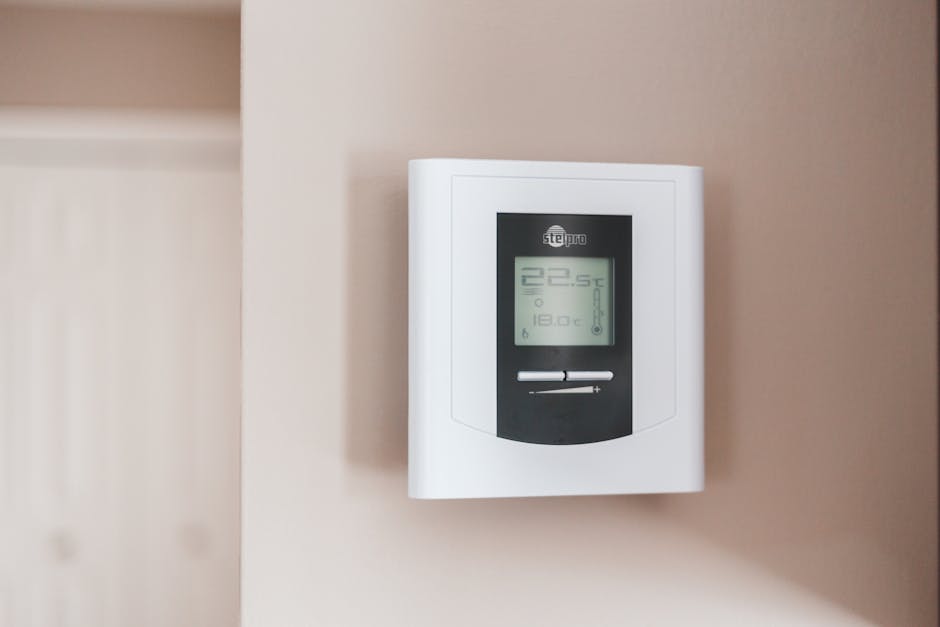
Everyone tells you to turn down your thermostat. Nobody tells you how to do it without turning your living room into a Siberian outpost. Here is where most people fail: they treat the thermostat like a light switch, adjusting it wildly up and down based on momentary discomfort. That spikes energy consumption faster than anything else.
I took a hard look at my heating and cooling schedules. I stopped heating empty rooms. If I’m downstairs working, why is the upstairs guest bedroom sitting at a cozy 72 degrees? I adjusted the vents, closed doors to unused zones, and let the house breathe only where I was actually breathing.
Next, I checked the seals. Drafty windows are essentially throwing dollar bills out into the front yard. A $10 tube of clear silicone caulk and a roll of weatherstripping completely transformed the air pressure in my hallway. According to ENERGY STAR guidelines, sealing air leaks can shave up to 15% off heating and cooling costs. Trust me on this: sealing that one stubborn gap under the back door lowered my furnace’s cycle frequency by half.
The Laundry Room Audit: Cold Water and Air-Drying Realities
We’ve been brainwashed by detergent commercials. For decades, advertisers hammered it into our skulls that clothes only get clean if they’re boiled alive in hot water. Total marketing fiction.
Ninety percent of the energy your washing machine uses goes entirely toward heating the water. Think about that for a second. You are literally paying to heat water so it can rinse your socks. I switched my entire washing routine to cold water. Did my clothes come out smelling like defeat? No. They came out entirely clean, because modern enzymes in laundry detergents are specifically engineered to work in cold temperatures.
Then there’s the dryer—the undisputed heavyweight champion of household energy consumption. That tumbling metal box eats electricity for breakfast, lunch, and dinner. My fix? I split the difference. Towels and heavy jeans still go in, but I started air-drying lighter shirts and sheets on a simple folding rack in the spare room. Not only did my electric bill drop, but my clothes stopped shrinking into doll clothes. Win-win.
Lighting and Appliance Tweaks That Actually Move the Needle
Let’s dispel a myth: changing your lightbulbs isn’t going to save you $200 overnight. If anyone tells you that swapping out an incandescent bulb is the magic bullet, they’re selling you a course. However, combined with other minor tweaks, it’s a crucial piece of the puzzle.
I went room by room and swapped every remaining halogen and old-school bulb for LEDs. More importantly, I became ruthless about the “off” switch. My kids used to treat the hallway lights like decorative art—leaving them on for hours while they sat in their rooms. I installed motion-sensor switches in the hallways and bathrooms. Now, if nobody is walking past, the light goes dark automatically within two minutes.
Finally, I looked at the refrigerator. It runs constantly. If the coils underneath are caked in three years of pet hair and dust bunny colonies, the compressor has to work twice as hard to keep your milk cold. I pulled out the vacuum, popped off the front grille, and sucked out a carpet’s worth of dust. The fridge went from sounding like a jet engine taking off to a quiet hum. Efficiency skyrocketed.
Frequently Asked Questions
How long does it take to see savings on the utility bill after making these changes?
You will see a noticeable shift on your very next billing cycle, usually within 30 days. The phantom load reduction and cold-water laundry changes take effect immediately, while thermostat adjustments show up almost instantly in daily meter readings.
Are smart power strips expensive to buy?
Not at all. You can find reliable, surge-protected smart power strips online or at local hardware stores for anywhere between $15 and $30. The energy savings from eliminating standby power usually pays for the strip within the first month.
Does washing clothes in cold water actually clean stains?
Yes. Modern laundry detergents contain specialized enzymes designed to break down oils, proteins, and dirt at lower temperatures. Unless you are dealing with heavy industrial grease or sanitizing medical linens, cold water is more than sufficient for everyday loads.
What is the single most effective energy hack for a quick win?
Unplugging phantom loads and adjusting your thermostat schedule downward by 2 to 3 degrees while you sleep or are away from home. These two actions require zero financial investment and yield the fastest drop in daily kilowatt-hour usage.